A well-planned camping road trip combines two of the best ways to experience the outdoors: the freedom of the open road and the immersion of sleeping under the stars. But unlike a quick weekend getaway to your local campground, a multi-stop road trip requires coordinating routes, campground reservations, gear, and budgets across multiple destinations.
Whether you’re planning a week-long National Park tour or a month-long cross-country adventure, this guide covers everything you need to turn your road trip vision into a realistic, stress-free itinerary. No fluff, no filler—just practical steps from someone who’s spent countless nights in camping tents across the country.
The Quick Version: What You Need to Know
Short on time? Here’s the bottom line:
- Daily driving: Limit yourself to 3-4 hours of driving per day on camping trips—you need time to set up camp, cook meals, and actually enjoy your destinations
- Book early: Popular National Park campgrounds book up 6 months in advance through Recreation.gov; some parks like Yosemite release reservations in monthly blocks 5 months ahead
- Use the right tools: Google Maps for navigation and route planning, plus a dedicated app like Roadtrippers or Wanderlog for trip organization
- Budget realistically: Expect $50-150 per day depending on whether you’re dispersed camping for free or staying at developed campgrounds with hookups
- Prepare your vehicle: Check tires, fluids, and brakes before departure, and know your weight limits for gear
Plan extensively if: You’re visiting popular parks during peak season, traveling with kids, or have limited vacation days. Go more flexible if: You’re an experienced camper comfortable with dispersed camping during shoulder season.
Setting Your Road Trip Framework
Before you start marking points on a map, nail down three fundamental questions that will shape every other decision.
Determining Your Timeframe and Trip Dates
Your available dates determine everything else. A 5-day trip looks completely different from a 3-week adventure, and the season you travel affects both campground availability and weather conditions.
Consider these seasonal factors for camping road trips:
- Peak season (Memorial Day through Labor Day): Best weather, but highest crowds and earliest sellout of campsites
- Shoulder season (April-May, September-October): Fewer crowds, often better availability, but check for seasonal closures at higher elevations
- Winter: Many campgrounds close; focus on desert destinations in the Southwest or southern regions
Calculating Realistic Daily Driving Distances
Here’s where many first-time road trippers make their biggest mistake: treating driving days like regular travel days. On a camping road trip, you need time to break down camp in the morning, set up camp in the evening, cook meals, and—most importantly—actually enjoy the places you’re visiting.
The data on this is clear. According to NHTSA research, drowsy driving causes approximately 91,000 crashes annually in the US, with crash risk increasing significantly after 3+ hours of continuous driving. Drivers who slept less than 4 hours face 11.5 times higher crash risk than well-rested drivers.
Recommended driving time guidelines for camping trips:
| Total Driving Hours | Recommended Trip Length | Average Daily Driving |
|---|---|---|
| 10 hours | 4-6 days | 2-3 hours/day |
| 20 hours | 8-12 days | 2-3 hours/day |
| 30 hours | 14-18 days | 2-3 hours/day |
| 40 hours | 18-24 days | 2-3 hours/day |
The 3-4 hour daily maximum isn’t arbitrary—it leaves time for a proper breakfast at camp, an afternoon arrival at your next destination, and unhurried camp setup before dark.
Choosing Your Destinations and Route
With your timeframe set, you can start plotting where you actually want to go.
Selecting Primary Camping Destinations
Start with 2-3 anchor destinations—the places you definitely want to experience. Build your route around these, rather than trying to hit every interesting point on the map.
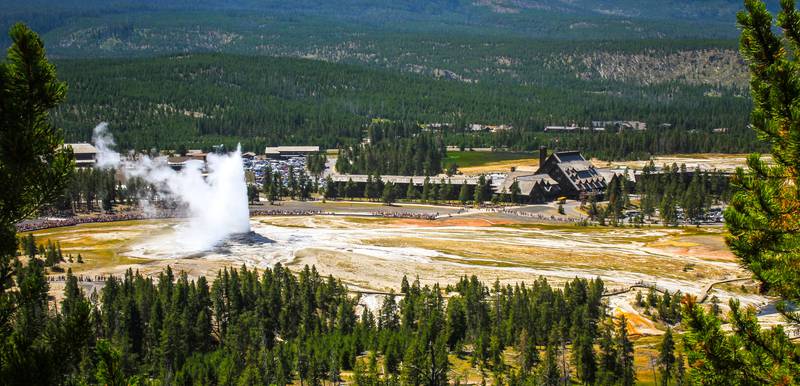
For camping-focused trips, consider these categories:
- National Parks: Iconic landscapes, developed campgrounds, but require advance reservations
- National Forests: Often less crowded, mix of developed and dispersed camping options
- State Parks: Great regional options, varying reservation systems by state
- BLM land: Free dispersed camping in the West, ideal for experienced campers seeking solitude
Research campground availability before finalizing your route. There’s no point planning the perfect itinerary only to discover every campsite is booked.
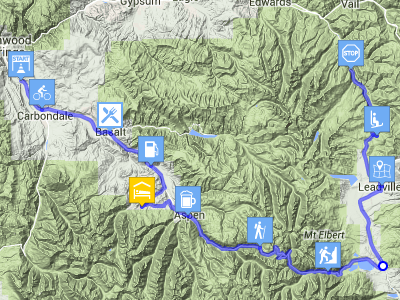
Planning Your Route with Google Maps
Google My Maps is the best free tool for visualizing a multi-stop road trip. Here’s the quick setup:
- Go to Google My Maps and create a new map
- Create separate layers for: Destinations, Campgrounds, Activities
- Search for each location and add it to the appropriate layer
- Use the directions feature to calculate driving times between stops
- Drag the route line to include any must-see stops along the way
Share your map with travel companions so everyone can see the plan—and suggest additions.
Booking Campgrounds and Accommodations
This is where camping road trips differ most from regular road trips. You can’t just show up at a popular National Park campground and expect to find a spot—not anymore.
Understanding Campground Reservation Systems
Different land management agencies use different booking systems, and each has its own rules:
| Reservation System | Campground Types | Booking Window | Website |
|---|---|---|---|
| Recreation.gov | National Parks, many USFS, some BLM | 6 months (rolling daily) | recreation.gov |
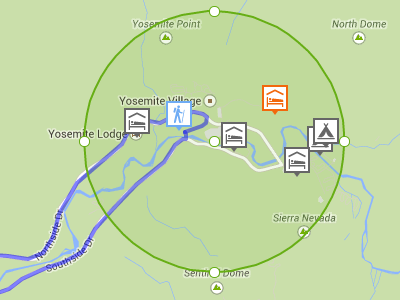
| Recreation.gov (Yosemite) | Yosemite NP campgrounds | 5 months (monthly blocks on 15th) | recreation.gov |
| Reserve America | Many State Parks | 2-6 months (varies by state) | reserveamerica.com |
| Hipcamp | Private land, unique stays | Varies by host | hipcamp.com |
| First-come-first-served | Various agencies | Same day | N/A |
Pro tip: Set calendar reminders for 6 months before your desired dates. Popular campgrounds like those in Yosemite, Zion, and Glacier often book within minutes of release.
Dispersed Camping as a Flexible Alternative
Not every night needs a reservation. Dispersed camping on BLM land and National Forests offers free or near-free camping ($0-10/night) with more flexibility.
Best practices for dispersed camping:
- Use apps like iOverlander or FreeRoam to find established dispersed sites
- Check local regulations—some areas require permits or have seasonal closures
- Practice Leave No Trace principles: pack out all trash, use existing fire rings, camp on durable surfaces
- Arrive early—popular dispersed areas fill up on weekends
Mixing reserved campgrounds with dispersed camping nights gives you both the security of guaranteed sites at popular destinations and the flexibility to adjust your itinerary on the fly.
Road Trip Planning Tools and Apps
The right digital tools can save hours of planning time—but you don’t need to pay for premium features to plan effectively.

Free Planning Tools Worth Using
Google Maps / Google My Maps: Still the best for route planning and offline navigation. Download your route’s maps before leaving cell service areas. Free and works everywhere.
Roadtrippers (free tier): The most popular road trip planning app in the USA. The free version limits you to 7 waypoints per trip, but that’s often enough for a week-long journey. Great for discovering interesting stops along your route.
Wanderlog (free tier): Comprehensive itinerary builder with budgeting tools included in the free version. Particularly good for organizing reservations and sharing plans with travel companions.
The Dyrt: The largest campground database in the USA. Search by location, filter by amenities, and read reviews from real campers. Essential for finding campsites along your route.
Premium Options for Serious Planners
Roadtrippers Plus ($29.99/year): Removes waypoint limits, adds offline maps, removes ads. Worth it if you plan multiple trips per year.
Gaia GPS ($39.99/year): The gold standard for off-road and backpacking navigation. Download detailed topo maps for areas with no cell service.
When to pay: If you’re planning a trip with more than 7 major stops, or traveling extensively in areas without cell service, premium tools often pay for themselves in convenience.
Budgeting for Your Camping Road Trip
Camping road trips can range from budget-friendly to surprisingly expensive depending on your choices. Here’s a realistic breakdown.
Cost Categories to Plan For
| Category | Budget Range (per day) | Notes |
|---|---|---|
| Fuel | $15-50 | At $2.82/gallon (Jan 2026 avg), 200 miles = ~$25 for 25mpg vehicle |
| Campground fees | $0-40 | Free dispersed to $35+ for RV sites with hookups |
| Food | $15-40 | Cooking at camp vs. restaurants |
| Park entrance fees | $0-35 | $0 with America the Beautiful Pass, $15-35 per park without |
| Activities | $0-50 | Hiking free, guided tours and rentals add up |
| Emergency fund | $20 set aside | Unexpected repairs, missed reservations, weather changes |
Realistic daily totals:
- Budget ($50-75/day): Dispersed camping, cooking all meals, free activities
- Moderate ($75-125/day): Mix of campground types, cooking most meals, occasional activities
- Comfortable ($125-175/day): Developed campgrounds with amenities, some dining out, paid activities
Money-Saving Strategies for Road Trippers
America the Beautiful Pass ($80/year): Covers entrance fees at all National Parks and federal recreation sites. Pays for itself after visiting 3-4 fee-charging parks. Available at Recreation.gov. Senior citizens (62+) qualify for a $20 annual or $80 lifetime version.
Cook at camp: A camping stove and cooler let you eat well for $10-15/day compared to $30-50 eating out.
Mix camping types: Alternate between paid campgrounds at must-see destinations and free dispersed camping between major stops.
Fuel-efficient driving: Maintain steady speeds, avoid excessive idling, and use cruise control on highways. A 10% improvement in fuel economy adds up over thousands of miles.
Preparing Your Vehicle for the Journey
Your vehicle is your lifeline on a road trip. A breakdown in a remote area isn’t just inconvenient—it can derail your entire trip.
Essential Vehicle Checks Before Departure
Must-check items:
- Tires: Check tread depth, pressure (including spare), and look for damage or uneven wear
- Fluids: Oil, coolant, brake fluid, transmission fluid, windshield washer
- Brakes: Listen for squealing, check pad thickness if visible
- Lights: Headlights, taillights, brake lights, turn signals
- Wipers: Replace if streaking or worn
- Battery: Check for corrosion, ensure secure connection
Emergency kit essentials:
- Jumper cables or portable jump starter
- Basic tool kit (screwdrivers, pliers, adjustable wrench)
- Tire repair kit and portable air compressor
- Flashlight and extra batteries
- First aid kit
- Reflective triangles or flares
Organizing Gear in Your Vehicle
How you pack matters as much as what you pack. You’ll be loading and unloading multiple times—make it efficient.
- Heavy items low and forward: Coolers, water containers, and heavy gear go on the floor behind seats
- Daily essentials accessible: Keep snacks, water bottles, sunglasses, phone chargers where you can reach them
- Camp setup gear grouped: Pack tent, stakes, sleeping bags, and pads together for quick setup
- Kitchen gear separate: Stove, cookware, and food in their own container for easy meal prep
Packing Essentials for a Camping Road Trip
Road trip packing differs from backpacking—you have vehicle space, but still need to be organized.
Camping Gear Checklist
Shelter and sleep:
- Tent (check for poles, stakes, rainfly)
- Sleeping bags rated for expected temperatures
- Sleeping pads or air mattresses
- Pillows
Kitchen:
- Camp stove and fuel
- Cooler with ice or ice packs
- Cookware, utensils, plates, cups
- Water bottles and water storage
- Dish soap, sponge, towels
Lighting and power:
- Headlamps (one per person)
- Lantern for camp
- Portable power bank for devices
- Car phone charger
Road-Specific Packing Additions
In-car comfort:
- Cooler with drinks and snacks within reach
- Pillow and blanket for passenger naps
- Sunglasses and sun visor
- Downloaded music, podcasts, or audiobooks (cell service isn’t guaranteed)
Navigation backup:
- Paper road atlas (yes, really)
- Downloaded offline Google Maps for your entire route
- Written directions and campground addresses
Who Should Plan Extensively vs. Go Flexible
Not everyone needs the same level of planning. Find your sweet spot:
✅ Plan extensively if:
- Visiting popular National Parks during peak season (June-August)
- Traveling with kids who need predictable schedules
- Limited vacation days that can’t accommodate unexpected changes
- First time camping road tripping and want structure
❌ Go more flexible if:
- Experienced with dispersed camping and comfortable finding sites
- Traveling during shoulder season with more campground availability
- Open schedule that allows adjusting based on weather or discoveries
- Solo or traveling with adaptable partners
⚠️ Plan these elements regardless:
- Campground reservations at popular destinations
- Permits for any required activities (backcountry, specific hikes)
- Vehicle preparation and emergency supplies
Frequently Asked Questions About Road Trip Planning
How far in advance should I book campgrounds for a road trip?
For popular National Park campgrounds, book as soon as the reservation window opens—typically 6 months in advance through Recreation.gov. Less popular campgrounds and most state parks can often be booked 2-4 weeks ahead during shoulder season, but peak summer weekends fill faster.
What’s the best app for planning a camping road trip?
Start with Google Maps for route planning and Roadtrippers for discovering stops. Add The Dyrt for campground search. This free combination covers most needs. Upgrade to Roadtrippers Plus or Wanderlog Pro if you need more waypoints or offline features.
How many hours should I drive per day on a road trip?
For camping road trips, 3-4 hours of driving per day is ideal. This leaves time for breaking camp, setting up at your next destination, cooking meals, and actually enjoying the places you’re visiting. Pushing beyond 4 hours regularly leads to exhaustion and less enjoyable trips.
Do I need reservations for National Park campgrounds?
For most campgrounds in popular parks during peak season, yes. Recreation.gov handles reservations for most National Park campgrounds. Some parks maintain first-come-first-served campgrounds or overflow areas, but counting on these during busy periods is risky.
How much does a week-long camping road trip cost?
Budget $350-500 for an economical week (dispersed camping, cooking all meals) to $900-1,200 for a comfortable week (developed campgrounds, mix of cooking and dining out, paid activities). Fuel is typically the largest variable based on distances and vehicle efficiency.
What should I do if campgrounds are fully booked?
Check cancellation availability daily on Recreation.gov—sites often open up 24-48 hours before. Look for dispersed camping nearby on National Forest or BLM land. Consider Hipcamp for private land options. Adjust your dates if possible to midweek when availability is better.
Is dispersed camping safe for beginners?
Yes, with preparation. Start with well-established dispersed sites found on apps like iOverlander. Camp near other campers your first few times. Ensure you have adequate water, proper gear for weather changes, and a plan for emergencies. Practice Leave No Trace principles.
How do I plan a road trip route with multiple stops?
Use Google My Maps to plot all destinations visually. Calculate driving times between stops and ensure no day exceeds 4 hours of driving. Build in flexibility—plan must-visit stops firmly but leave secondary stops as “if time allows” options.
Final Thoughts on Planning Your Road Trip Adventure
The best camping road trips balance thorough preparation with room for spontaneity. Book your campground reservations at anchor destinations well in advance, but leave some nights open for the unexpected campsite you discover along the way.
Start with your framework: dates, driving limits, and anchor destinations. Layer in campground bookings, route planning, and gear preparation. Build a realistic budget that accounts for fuel, camping fees, food, and activities.
Then hit the road. The planning gets you there—but the adventure is in the journey itself.
Download your offline maps. Check your tire pressure one more time. Pack your camping gear. The open road and a thousand campfires are waiting.