The easiest camping dinner is one you mostly cooked at home: chili, pulled pork or carnitas made ahead, frozen flat, then reheated in one pot at the site. If you’d rather cook from scratch, stick to one pan and quick-cooking ingredients, like sausage and tortellini soup (one pot, under 30 minutes) or Dutch oven mac and cheese (about 10 minutes over coals). The list below is sorted by how you cook.
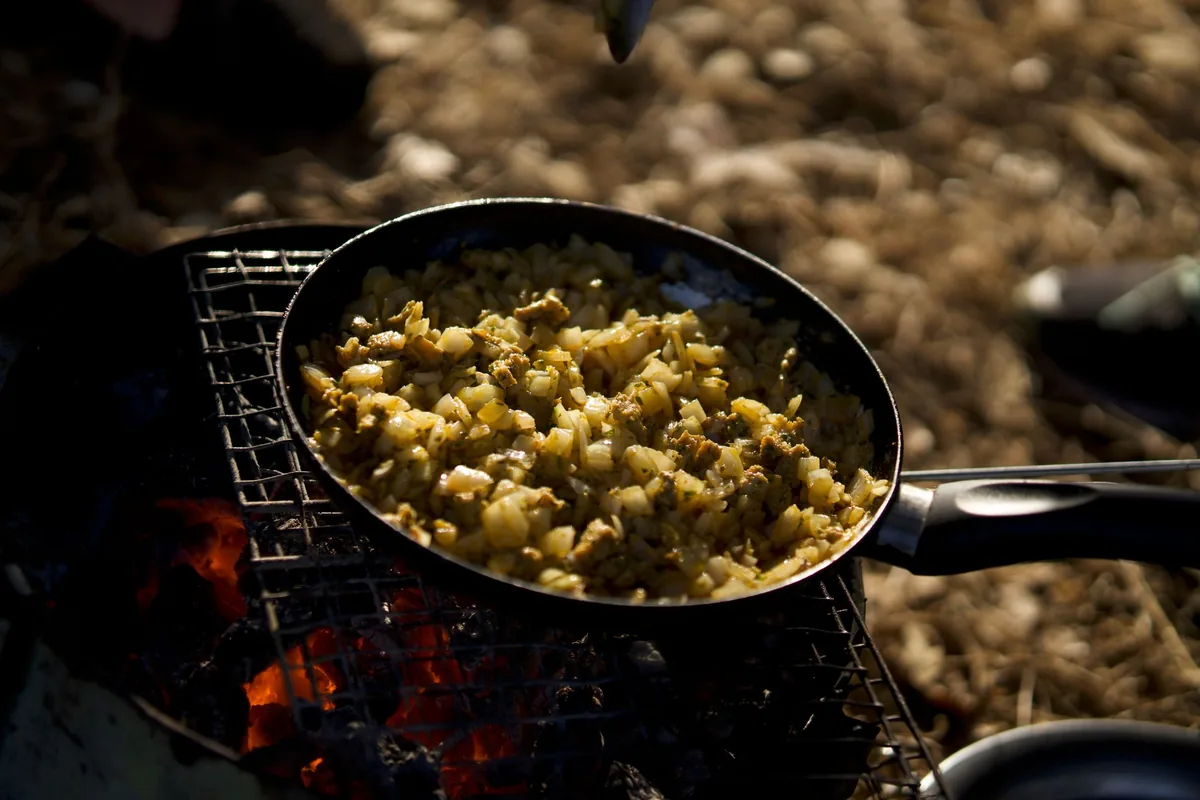
Most entries need just one pot, pan or sheet of foil. A few, like the lamb ribs, ravioli lasagna and skewers, need a bit more. For breakfast, lunch and snacks, see the camp out recipes hub.
Cold storage rules that apply to every meal below
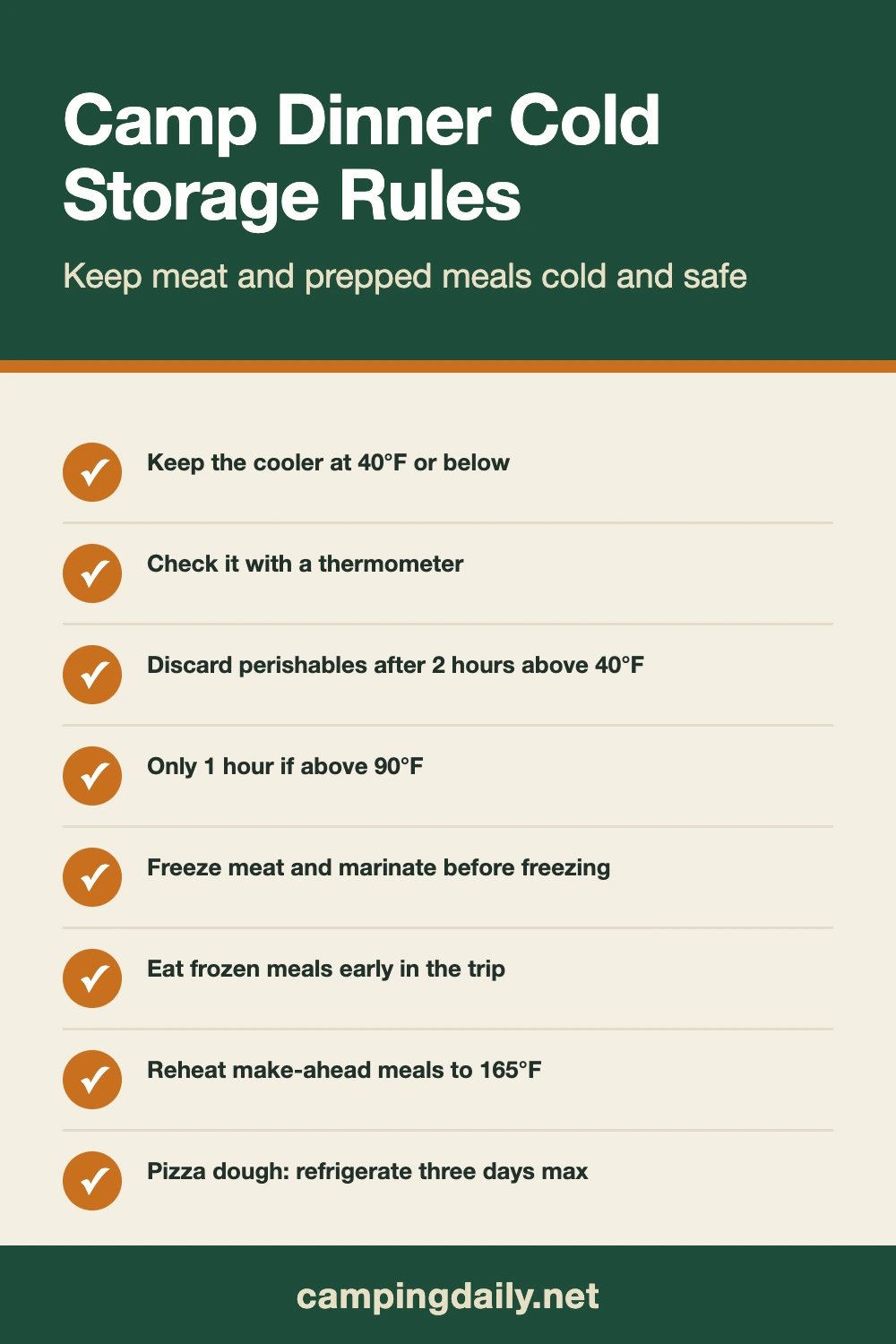
Keep the cooler at 40°F or below and put a thermometer inside to check it. Raw meat, eggs and milk go in with plenty of ice, and the lid stays shut as much as possible. Perishable food that has sat above 40°F for more than 2 hours (1 hour if the air is above 90°F) goes in the trash. Anything cooked at home gets reheated to 165°F at camp before it’s served.
Freeze meat before the trip, and marinate it before freezing so the marinade soaks in as it thaws. Frozen meat and frozen home-cooked meals double as extra ice, so eat them early, while they’re still frozen or well chilled. Thaw only in the refrigerator or a well-iced cooler. Once something has thawed, treat it like fresh food.
For any cooler-free stretch, build meals from ingredients that stay safe unrefrigerated for at least four days: dried pasta, canned beans, shelf-stable cheese, dried vegetables. Fresh meat and soaked beans don’t qualify, which is why the beans should come from a can.
Make-ahead dinners you reheat at camp
Frozen chili
Cook a big batch at home and freeze it flat in zip bags. A simple version uses pre-cooked ground beef, kidney beans and jarred spaghetti sauce. Thaw it in the refrigerator or a well-iced cooler, then reheat it in a pot at camp and finish the plate with tortilla chips and sour cream. Chili is heavy, so it suits car camping better than a long walk-in.
Pulled pork or BBQ chicken
The braising liquid is equal parts vinegar and water, deep enough to stand about an inch above boneless chicken or a pork butt in a slow cooker or Instant Pot. Cook until the meat is tender and shreds easily, following your appliance’s instructions. Chicken must reach 165°F and pork 145°F at minimum, though pulled pork ends up well past that.
Shred the meat and stir in BBQ sauce. Refrigerate it in shallow containers within 2 hours of cooking, then freeze it in meal-sized bags so you thaw only one night’s worth. At camp, reheat in a pot and pile it onto buns or tortillas.
Carnitas
Pressure-cook the pork at home and refrigerate it in shallow containers within 2 hours. Pack it cold or frozen. At camp, spread the meat in a hot cast iron skillet and leave it alone until the edges brown, then flip it and brown again. The tortillas go into the same pan afterward and pick up the drippings.
Sweet potato peanut stew
One of the meatless options here. Cook it entirely at home, chill it promptly, and carry it in a sealed container in the cooler at 40°F or below. At camp, heat it on a stove or a grate, stirring often so the bottom doesn’t scorch, until it reaches 165°F.
Frozen ravioli with sauce
A pot, a jar of sauce and a bag of frozen ravioli is the whole job. The bag rides in the cooler frozen, where it helps hold the temperature, so cook it early in the trip. A bag of salad covers the side.
Chicken and dumplings from a rotisserie bird
Pull the meat off a store-bought rotisserie chicken at home and keep it in the cooler. At camp, bring the chicken and broth to a simmer, make sure the meat reaches 165°F, and drop in quartered refrigerated biscuits to cook as dumplings. Since the bird is already cooked, this works best on the first or second night.
One-pot and skillet dinners
Sausage and tortellini soup
Do the knife work in your kitchen: cut the sausage and the vegetables, bag them, and pack them. At camp, the soup is a matter of warming the pot and stirring, and the whole thing is done in less than half an hour. Refrigerated tortellini and sausage stay in the cooler at 40°F or below until the moment they hit the water.
Pasta e fagioli
This one uses only shelf-stable ingredients: dried pasta, canned beans, tomatoes and seasoning. It’s ready about as fast as the pasta takes to cook, and without cheese it’s vegan. It can taste plain, so pack a block of hard cheese and some dried herbs.
Lemon chicken and rice
An Instant Pot version cooks chicken with asparagus, kale, garlic, lemon and stock, with rice or orzo added near the end. Make it at home, chill it, and reheat it in a skillet at camp.
Dutch oven mac and cheese
Seven ingredients go into the pot together, the pasta uncooked. Set the pot over coals and it’s done in about 10 minutes.
Backcountry curry
With no cooler on a hike-in trip, the curry has to be dried and freeze-dried ingredients, rehydrated with hot water in a single pot at camp. Carry the spices pre-mixed in a small bag, since a pile of separate jars adds weight you’ll notice by mile three. It’s another meatless pick.
Dutch oven dinners for larger groups
Ravioli lasagna
Layer frozen ravioli, meat, sauce and cheese in a Dutch oven and cook it over coals for about 45 minutes. That time is approximate, so check the center before serving. Brown the meat beforehand. If it goes in raw, check with a food thermometer that it reaches 160°F, since heat over coals is uneven. No boiled sheets, no bechamel.
Foil, grate and fire dinners
Campfire nachos
Lay foil on the grate, spread tortilla chips, cheese and salsa over it, and wait for the cheese to melt. A few minutes does it. Use a double layer of foil and keep it off the hottest part of the fire.
Campfire pizza
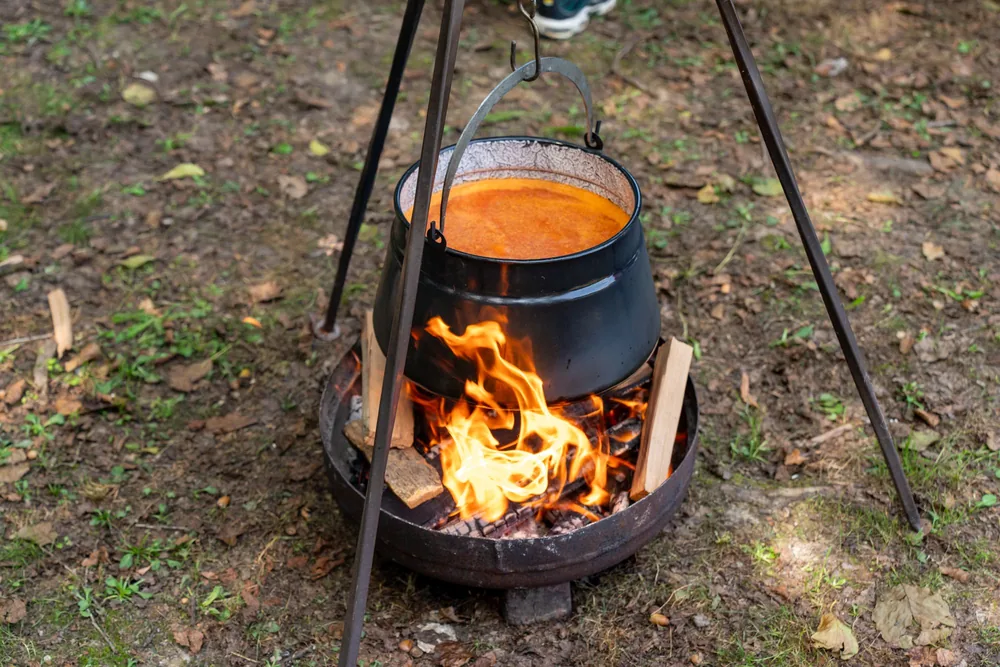
Start with a pre-made crust, sauce, cheese and pepperoni on foil over the grate. Homemade dough can be made ahead and refrigerated for no more than three days before you eat it, and it needs at least an hour at room temperature before cooking. Dough made on site needs about 45 minutes to rise, so start it while nobody is hungry yet.
Eggplant parmesan kebabs
Skewers of eggplant, bread and tomatoes get brushed with pesto and grilled over the fire. Slide everything off the skewers and toss it with cubes of mozzarella. Soak wooden skewers first so they char less.
Lamb ribs
Cook the ribs low and slow at home, chill them, and carry them in the cooler. At camp, reheat them first, then finish them on the grill over the fire to caramelize the juices.
Fire-melted triple cream cheese
Keep a wheel of double or triple cream cheese chilled until the fire is ready. Then set it on parchment or a cedar plank on the grate and let it soften. Grilled crusty bread or crackers go alongside, and it works as a starter or a light dinner for adults.
No-cook and assembly dinners
Tacos with pre-cooked meat and cold sandwiches need only assembly or reheating. For nights without a fire, pack hard or waxed cheese, canned beans, tortillas and cured meat. Any fresh protein is a day-one item.
Pre-cooked bacon wraps
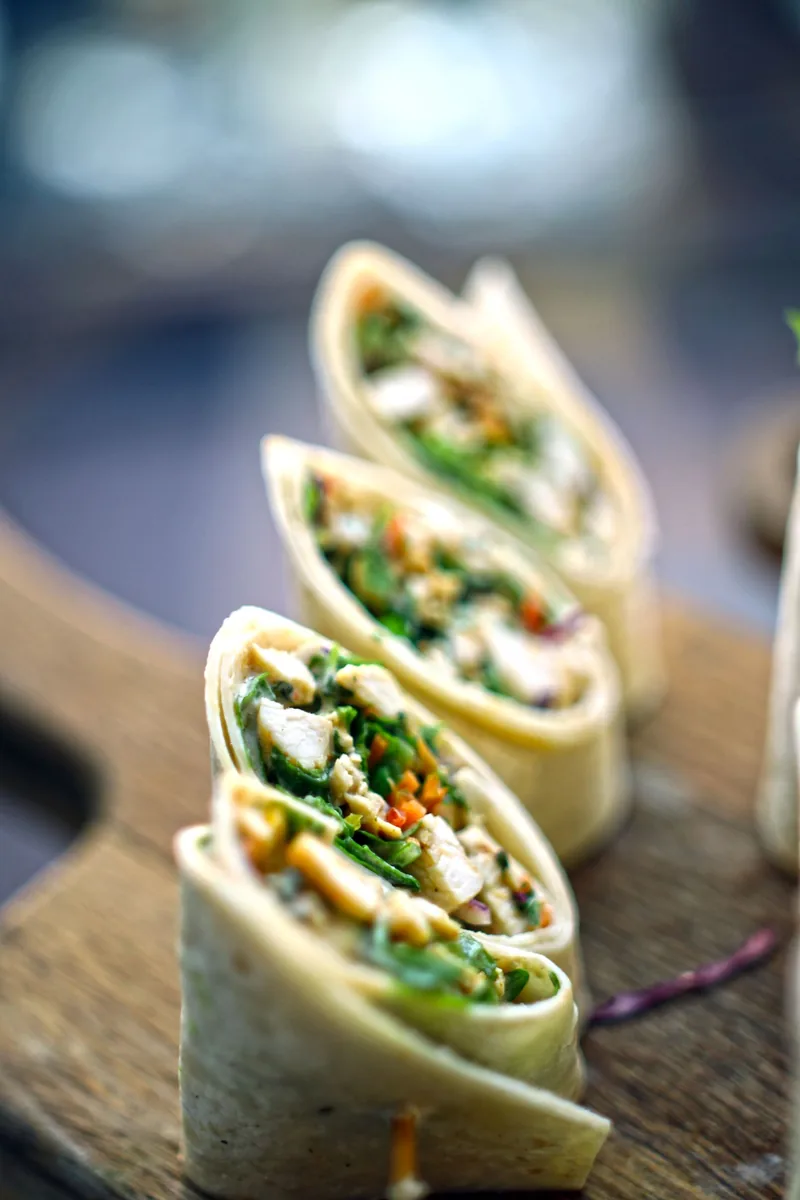
Pre-cooked bacon takes about a minute to heat and crisp, with very little grease. Fold it into a tortilla with cheese and a sliced tomato. Keep the bacon chilled, or follow the storage directions on the package.
Frequently asked questions
What is the best food to bring on a camping trip?
Plan by night. Frozen home-cooked meals like chili, pulled pork or carnitas go first because they act as ice. Once the ice is gone or the cooler can no longer stay at 40°F or below, switch to shelf-stable food: dried pasta, canned beans, tortillas and hard cheese. Pasta e fagioli uses only shelf-stable ingredients (dried pasta, canned beans, tomatoes, seasoning).
What are some good no-cook camping dinner ideas?
Tacos with pre-cooked meat, cold sandwiches, and tortilla wraps with pre-cooked bacon, cheese and tomato all need no fire. On longer trips, hard or waxed cheese, canned beans, tortillas and cured meat keep without refrigeration. Eat any fresh protein on day one and hold it at 40°F or below until then.
What food to premake for camping?
Chili, pulled pork, carnitas, sauces, marinades, stew and sausage patties can all be made ahead and frozen. Pizza dough keeps in the refrigerator for up to three days. Cool cooked meat in shallow containers, refrigerate it within 2 hours, then freeze it flat in zip bags so it thaws evenly in the cooler.